Sippy cups and pacifiers are familiar aids many children use throughout early childhood. Both soothe infants, encourage independence, and facilitate meal times with ease. But for some children, prolonged use of sippy cups and pacifiers can cause some difficulties with eating and speaking development. At Speak Live Play, we feel that it is important to know about these effects because they can play a role in proper eating, speaking, and swallowing from infancy through young adulthood.
In this article, we're going to discuss how sippy cups and pacifiers influence speech development, how to look for signs, and how early intervention through eating therapy, food therapy, and swallow therapy can assist your child's development.
Pacifiers play a critical role during infancy, bringing comfort and filling a sucking need. But long-term or excessive use after infancy disrupts oral motor development. Here's how.

Experts advise weaning from pacifiers at about 6 months old and stopping altogether by 12-18 months, if at all possible. Weaning early enables your child's oral musculature to become well developed, laying the groundwork for more efficient, clearer production of words.
Parents may introduce comfort objects such as a plush toy or a blanket for soothing the baby during weaning. Gradual withdrawal together with positive reinforcement usually results in a smoother weaning process without causing emotional upset.
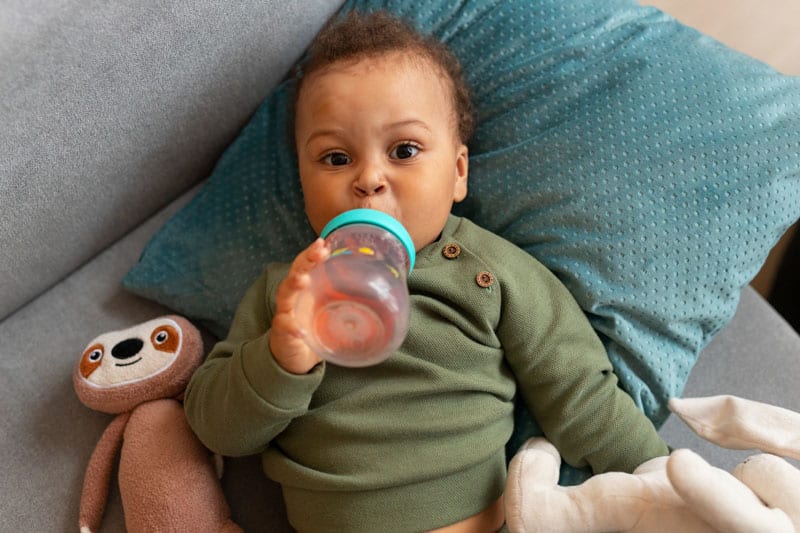
Sippy cups are usually introduced as a "next step" following bottles. Although they are convenient, they can cause unintended feeding and speech problems:
In Speak Live Play, we typically suggest introducing open cups or straw cups early on within food therapy treatments to aid the development of good oral motor skills.
Adding straw cups by 9 months will encourage proper lip closure, tongue withdrawal, and cheek strength. Small open cups introduced under supervision will improve drinking behavior and enable proper muscle development important for clear speech and for safe swallowing.

If your child has a history of extensive use of a pacifier or sippy cup, you may see signs that they may need eating therapy, food therapy, or swallowing therapy:
Early assessment and intervention can avert long-term communication and feeding challenges. Our therapists are experts at tailored plans that meet the specific needs of each child.

At Speak Live Play, we provide extensive services that blend:
These treatments are aimed at enhancing oral muscle strength, coordination, as well as developing the skills for both the development of clear speech and feeding.
We are of the belief that therapy needs to be enjoyable, interactive, and family-focused. Our sessions are often filled with games, play, and interactive exercises that encourage children to practice important skills while feeling supported and empowered.
Incorporating families is central to it all. Parent coaching sessions reinforce at-home activities through therapy, resulting in quicker and more sustainable gains. Support at home is particularly important if both speech and feed problems are being treated at the same time.
For children who already present with signs of feeding or speech challenges, we collaborate with families to develop a home program that augments progress made at the clinic. With frequent assessment and revision, we guarantee that each child is given the personalized attention they require to thrive.
To reduce feeding and speech concerns, use these best practices:
Creating a positive mealtime environment, where experimentation with food textures is encouraged and celebrated, also greatly supports oral motor development. Remember, the earlier healthy habits are introduced, the stronger the foundation for lifelong eating and communication skills.
Although pacifiers and sippy cups may both serve supportive functions throughout early childhood, it is crucial to understand how they might influence communication development as well as eating development. With best practice approaches and early intervention by specialists in eating therapy, food therapy, and swallowing therapy, however, you can position your child for a lifetime of confident communication as well as healthy eating.
At Speak Live Play, we're here to support you every step of the way. Whether you're trying to overcome feeding difficulties, speech delays, or you simply have questions regarding your child's development, we're here for you.
Don't hesitate to act, for early intervention makes a world of difference! Call Speak Live Play today to learn about our holistic feeding and speaking services!
Even intermittent use at night after age 18 months is not always a bad thing, but daily use for extended durations heightens the risks of speech and oral problems. Weaning is supportive of healthy oral growth.
Small cups with straws and open cups are best. These encourage stronger oral motor skills for eating as well as for speaking clearly.
Continued use of sippy cups with a hard spout can lead to delayed oral motor skills that are crucial for clear speech development.
Eating therapy directly targets the physical skills for safe swallowing and chewing, whereas speech therapy targets communication skills such as language development and articulation. Both can coincide based on the needs of your child.
Treatment with food can start as soon as 6-9 months if there are concerns about feeding. The outcomes are optimal with early intervention.
Yes. Solid food avoidance may signal oral motor delay or sensory sensitivities. A feeding evaluation will uncover the underlying problems and direct appropriate food therapy approaches.
Book a free consultation and let's talk about what you're seeing at home.