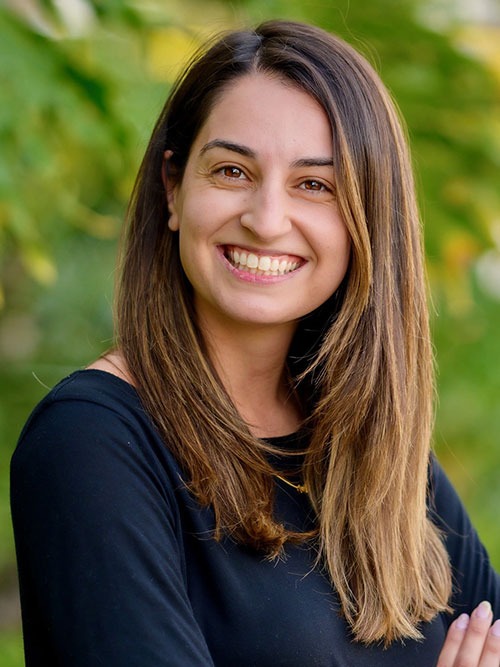
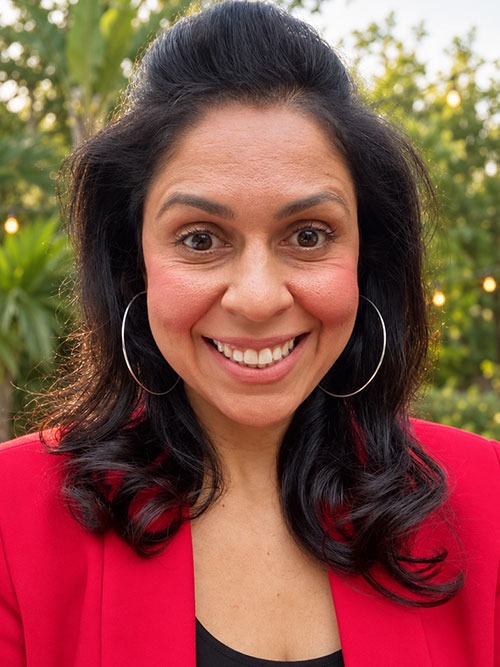
The way a child understands and expresses themselves shapes their family life, schooling, and friendships. Led by Melissa Peters Yang, M.S., CCC-SLP & CLC, our pediatric speech therapy uses an individualized, evidence-based approach for every child — helping them express themselves more clearly, communicate with confidence, and overcome the specific challenges they're facing.
Speech therapy focuses on strengthening how a child understands language and expresses themselves. A speech-language pathologist diagnoses and treats communication challenges across a wide range — from simple pronunciation difficulties to more complex issues like receptive and expressive language delays, articulation disorders, and autism-related communication needs.
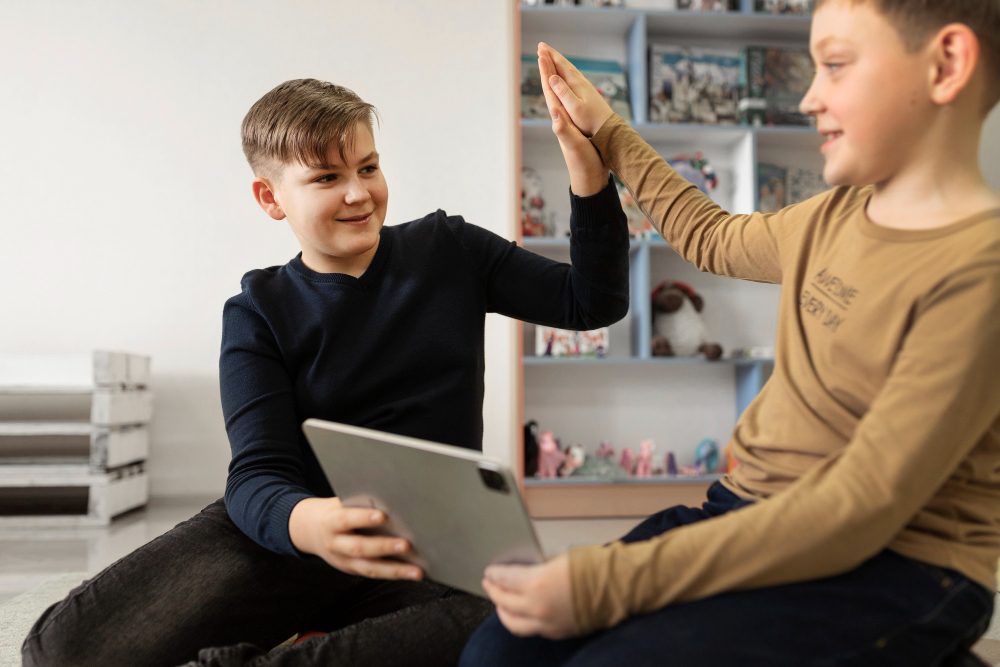
Sessions happen one-on-one or in small groups, using age-appropriate techniques — play, games, and exercises designed to engage the parts of the brain involved in speech.
Targets specific sounds a child struggles to produce, like /r/, /s/, or /th/ — a lisp, for example, calls for exercises aimed at that exact sound.
Builds receptive and expressive language skills using visual aids, grammar modeling, and play-based practice forming sentences.
Strengthens the muscles used for speech — especially helpful for conditions like cleft palate or other craniofacial differences.
A tactile-kinesthetic approach that uses touch and guided movement to support accurate sound production.
Communication skills touch nearly every part of a child's life. Speech therapy supports children in several key ways:
Difficulty forming certain sounds correctly — replacing, dropping, or distorting them. A lisp is a common example.
Trouble putting thoughts into words — forming complete sentences or using correct grammar when speaking.
Difficulty understanding language — following instructions or making sense of a story someone else is telling.
Stuttering that affects the flow and rhythm of speech, showing up as repeated sounds or words that get stuck.
A neurological condition that affects the brain's ability to plan and coordinate the movements needed for speech.
Every plan starts with an assessment — a review of medical history, observation of how a child communicates day to day, and testing to pinpoint the specific issues at play. From there, we build a personalized treatment plan and fill sessions with fun, interactive exercises targeting exactly what that child needs, along with at-home activities to practice between visits.
Timelines vary with the disorder's severity, the child's age, and how often sessions happen. Progress looks different for every child, but showing up consistently — for sessions and for home practice — makes the biggest difference in how quickly things improve.

At Speak Live Play, we specialize in speech therapy for kids facing communication challenges. Every child starts with a thorough evaluation to identify strengths and areas for growth, followed by personalized sessions built around their specific speech and language goals, using evidence-based methods throughout. Every child deserves to have their voice heard — we're committed to supporting that journey every step of the way.
A stronger ability to express thoughts, needs, and emotions clearly.
More accurate pronunciation, so a child is understood the first time.
Stronger footing academically and socially, heading into the classroom.
Targeted exercises that support a healthier, more controlled voice.
Clearer communication fosters independence in everyday situations.
Therapy addresses both verbal and non-verbal communication — body language, gestures, and facial expressions included. Activities like video modeling and role-play help build social skills, and sessions often support reading and writing development too. For children with significant verbal challenges, we introduce alternative approaches like sign language.
One-on-one or small-group sessions might include picture books, interactive games, and focused pronunciation practice. For children working on feeding and swallowing alongside speech, sessions can include oral exercises, facial massage, jaw-strengthening work, and gradually introducing new food textures and temperatures.
Melissa Peters Yang, M.S., CCC-SLP & CLC brings experience across a wide range of pediatric speech and language needs, including:
Melissa is PROMPT Level 1 trained, has experience with DIR-Floortime, and uses Oral Placement Therapy for articulation-related challenges — combining evidence-based methods with a child-centered environment. Treatment plans are re-evaluated often, so the approach keeps evolving alongside each child's progress. Your child's success is always the priority.
If you suspect your child may need speech therapy, don't wait to reach out. Getting started early opens the door to clearer communication — and a brighter path forward for your child.
Not sure if your child needs support? Talk it through with our team, no pressure, no obligation.
Get StartedA licensed, credentialed team of speech, feeding, and occupational therapy providers — all here to support your family.

Let's talk through your child's needs and build a plan that fits your family.