Evaluation and therapy for infants and toddlers showing delays in speech, language, feeding, or motor development, when catching things early makes the biggest difference.
Between birth and age three, a child's brain is forming more than a million new neural connections every second — it's an enormous window for language growth. A language delay simply means a child's language skills are developing more slowly than expected for their age; a 4-year-old, for example, might be using language closer to what's typical for a 2-year-old.
There are two broad types: receptive language delay (difficulty understanding language) and expressive language delay (difficulty using it). A child with an expressive delay often understands what's said to them just fine, but struggles to find the right words, build sentences that make sense, or put their thoughts in a logical order. It's worth knowing this isn't a pronunciation problem, and it isn't a sign of low intelligence — it's specifically about using language. Language itself is built from a few key pieces — morphology and semantics (how words are formed and what they mean), vocabulary (the words a child knows and can use), and pragmatics (using language appropriately depending on who you're talking to and where you are) — and an expressive delay can affect any or all of them.
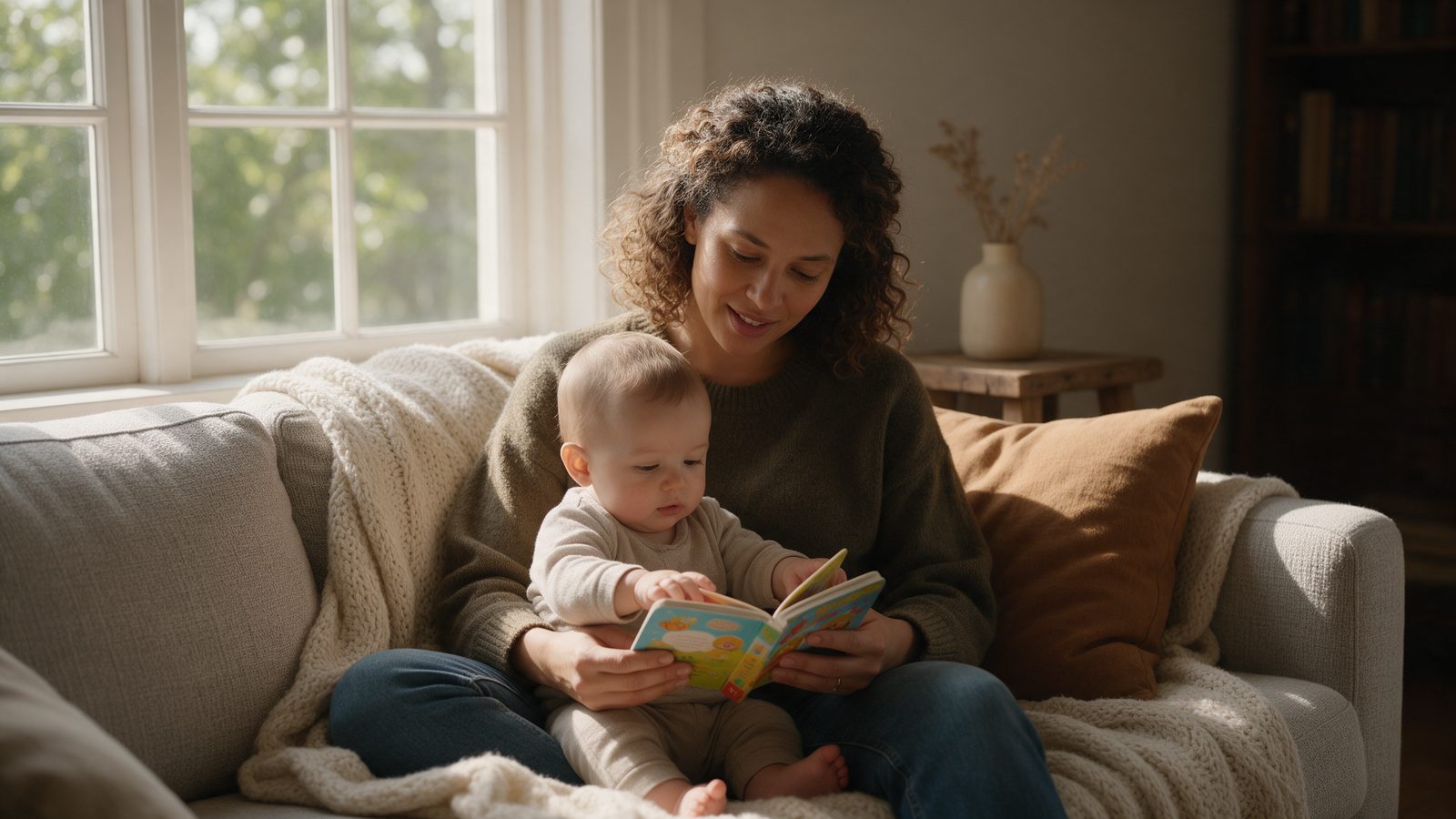 The first three years are a powerful window for language.
Every child develops at their own pace, but a few patterns by age tend to signal it's worth a closer look.
Research suggests that most children with an expressive-only language delay — somewhere around 70-80% of them, often described as "late talkers" — go on to catch up with their peers by age four. The remaining 20-30%, though, continue to need support, and without it, those language gaps can carry into the school years and show up later as reading and writing challenges too.
That's exactly why early intervention matters. Rather than waiting to see whether a child catches up on their own, a speech-language pathologist steps in early to directly teach the specific skills a child is missing — there's no one-size-fits-all program here, just a plan built around what your child needs.
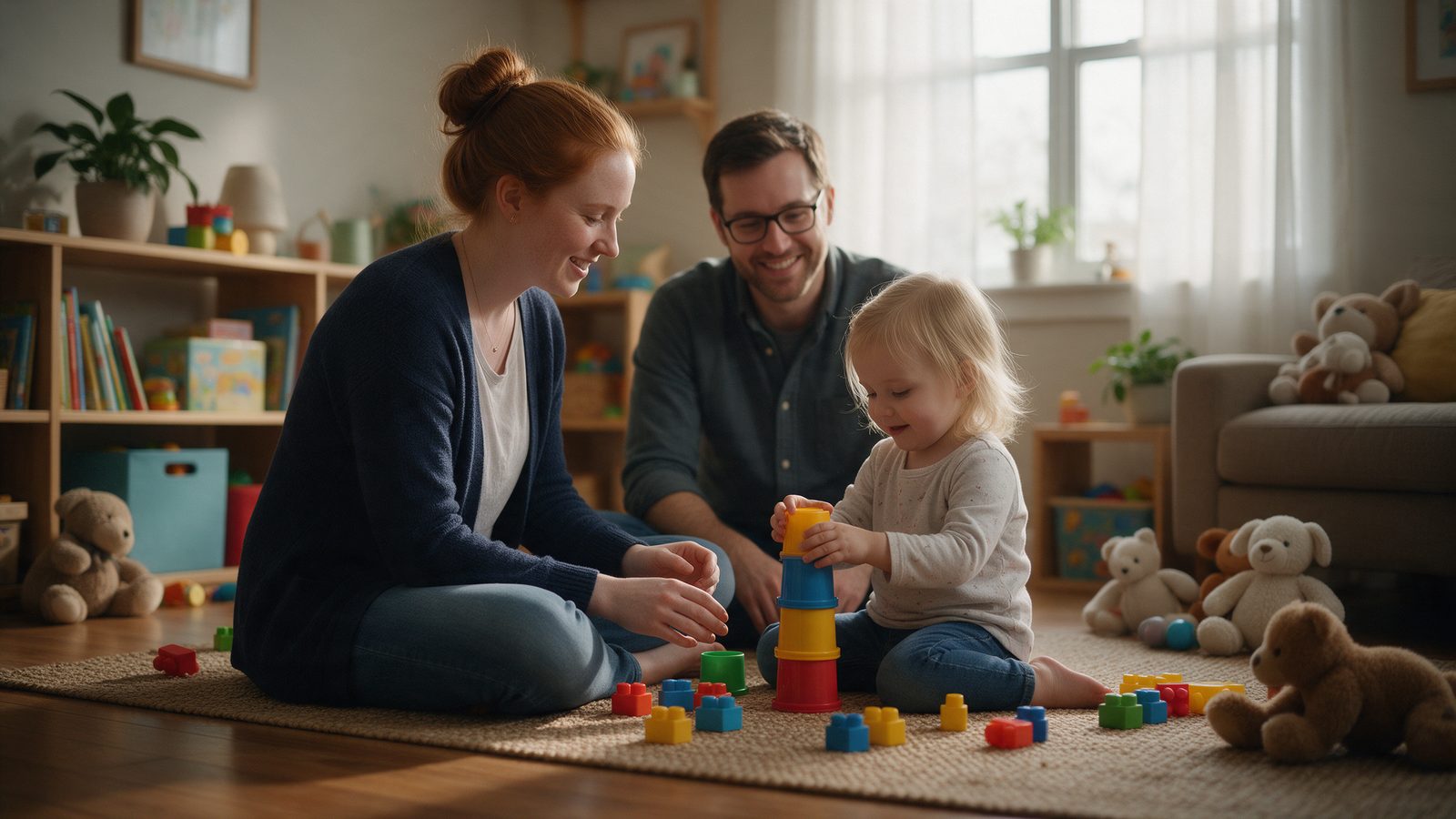 Early support is play-based and includes the whole family.
A handful of everyday habits go a long way in supporting language development between sessions.
It's not just about limiting minutes — screens work against language development in a few specific ways. Children learn what words mean by connecting them to real, physical experiences: touching, seeing, smelling, and tasting the things a word refers to, not just hearing it said on a screen. Screens also tend not to foster imagination the same way open-ended play does, since they present a fixed set of choices rather than inviting a child to create their own. And when a screen becomes the way a child calms down when upset, it can crowd out the chance to practice expressing feelings in words instead — along with everyday opportunities to build social and back-and-forth communication skills through real interaction. Research also shows that background TV noise leads parents to speak fewer words to their children overall, even without anyone actively watching it.
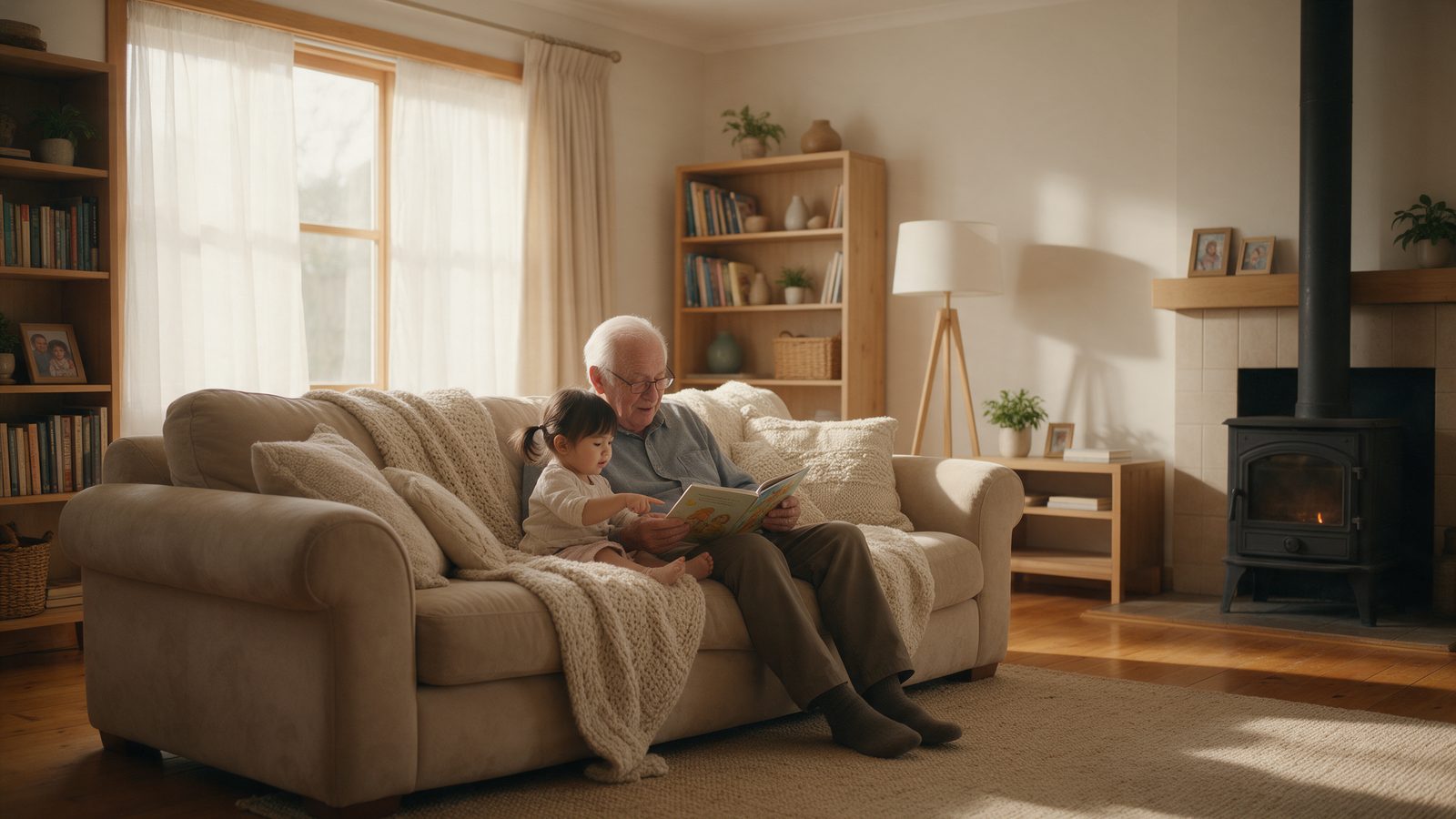 Books, songs and talk fill the day with words.
One of the most effective tools for late talkers is the verbal routine — the same short phrase, repeated the same way, every time a particular activity happens. Counting "1, 2, 3" before jumping in the pool, or saying "Ready, set, go!" before a race, are both verbal routines. Because they're predictable and repeated often, a child starts to anticipate what comes next, and eventually begins filling in the words themselves.
To build one, pick a short phrase and use it the same way every time for a specific activity, then stick with it — children typically need to hear a routine many times before they start joining in, so consistency matters more than variety here. As a general guideline, the American Academy of Pediatrics also recommends avoiding screen time before 18 months (aside from video chatting with family), keeping it minimal from 18-24 months, and limiting it to 30-60 minutes a day between ages 2 and 5 — always watched together, not alone.
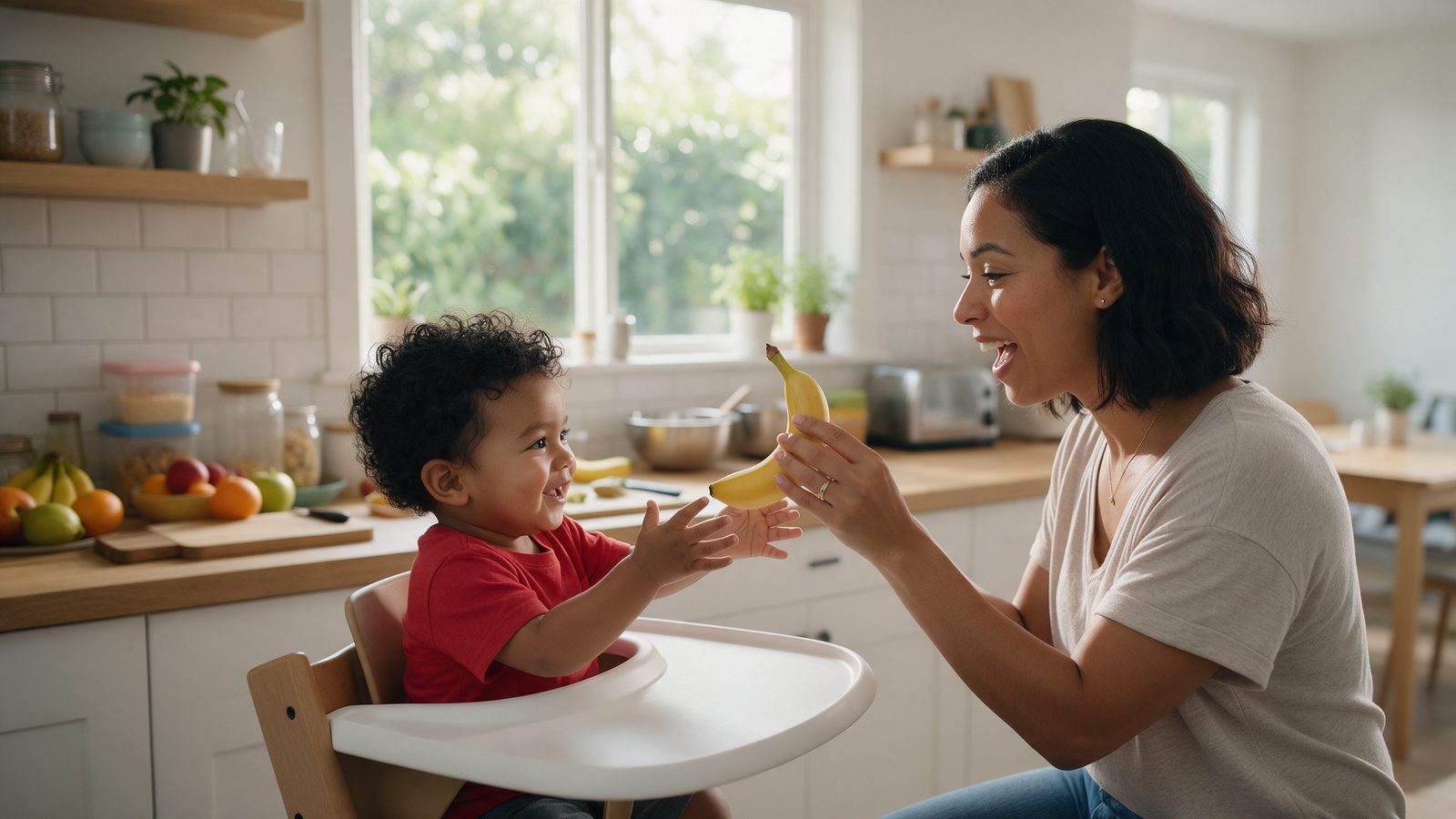 Everyday routines are chances to build vocabulary.
Call, text, or fill out our form — we'll set up your free consultation within 24 hours.