Occupational therapy addresses mental and physical challenges, injuries, and pain to help people of every age — children, adults, and seniors alike — participate fully in daily life, acquiring or regaining the skills needed for the activities that matter to them.
Occupational therapy is a broad field of medicine supporting children, adults, and seniors alike, helping people manage disabilities, injuries, chronic pain, and other challenges so they can take part in the everyday activities that make up a meaningful life. Every occupational therapist completes specialized graduate training, passes a national licensing exam, and holds an active license before treating patients.
Because an "occupation" in this context simply means any activity that occupies a person's time — from getting dressed in the morning to managing a job or a hobby — occupational therapy looks different for everyone it serves. A child's plan might focus on handwriting or tying shoelaces; an adult's might focus on returning to work after an injury; a senior's might focus on staying safely independent at home. What ties it all together is a focus on function: not just identifying a limitation, but building the specific skills and supports needed to work around it.
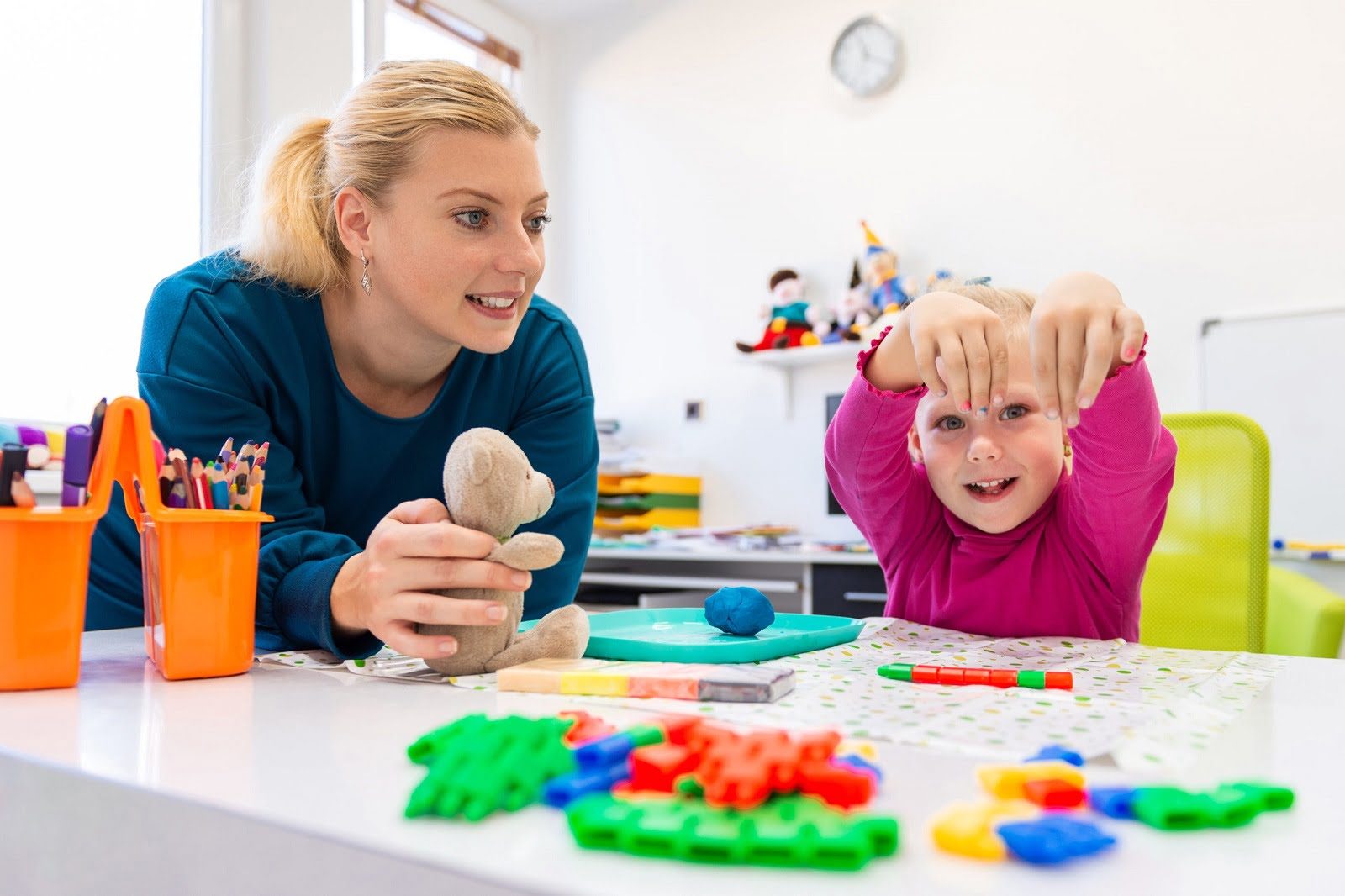
For children, occupational therapy builds the developmental, sensory, motor, and self-help skills that make up daily life at home, at school, and at play.
Occupational therapists working with children focus on the developmental and behavioral building blocks that make up daily life — attention span, sensory processing, visual-perceptual skills, and the fine and gross motor skills a child needs for schoolwork, play, and self-care. The goal isn't to work on one isolated skill in a vacuum; it's to understand how a child's whole profile is affecting their day, then build a plan around it.
Sensory needs look different from child to child, so the approach has to as well. A child who's easily overwhelmed by noise, light, textures, or touch often does best with a calmer, more controlled environment — a quieter room, softer lighting, and fewer competing stimuli during a session. A child who craves more sensory input, on the other hand, usually responds well to structured, high-input movement: jumping on a trampoline, swinging, or other activities that give their body the stimulation it's seeking in a safe, purposeful way.
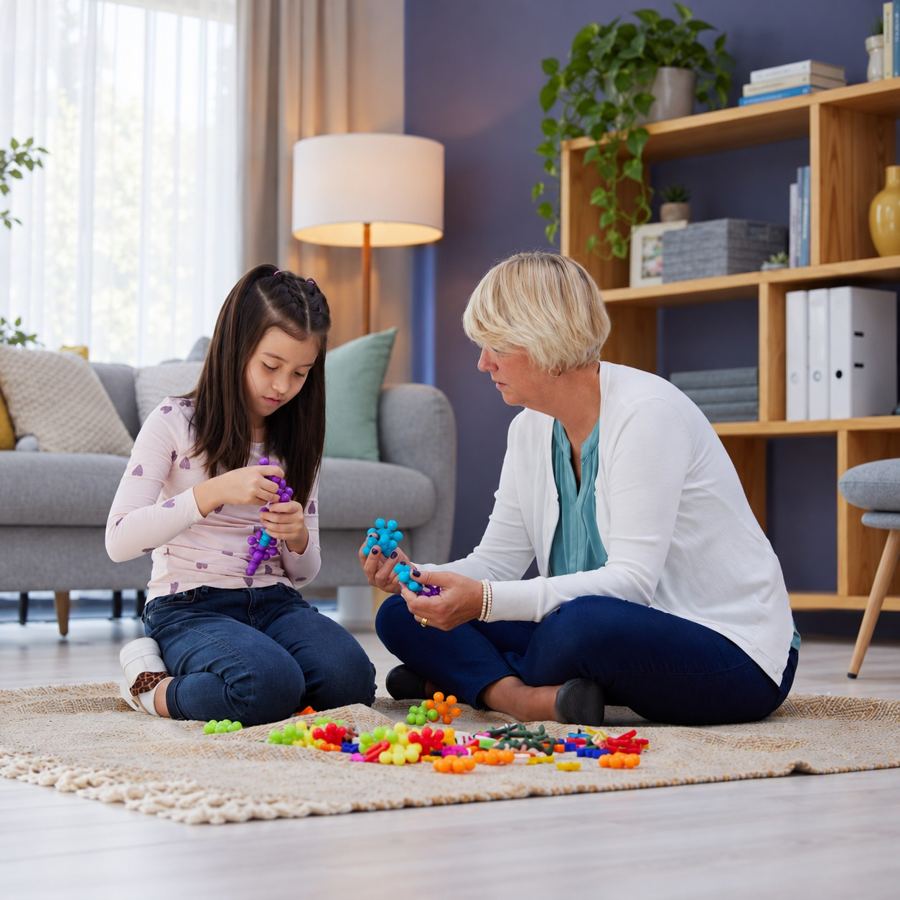
Fine motor skills — the hand dexterity and control needed for things like handwriting, using scissors, and buttoning a shirt — are built through hands-on, engaging activities: painting, threading beads onto a string, and hand-eye coordination games that make repetitive practice feel like play rather than work. Gross motor skills, which cover balance, coordination, and whole-body movement, are built through ball-throwing games, obstacle courses, tricycle riding, and core-strengthening exercises using therapy balls — all chosen to build strength and coordination without feeling like a workout.
A large part of pediatric OT comes down to the skills that let a child take care of themselves — getting dressed, brushing teeth, using the bathroom independently, and feeding themselves. These are broken down into manageable steps and practiced repeatedly, with adaptive strategies introduced wherever a child needs a bit of extra support to get there.
For adults, occupational therapy centers on functional independence in the activities of daily life. Whatever the underlying cognitive or physical difficulty, the goal is the same — helping someone participate as fully as possible in the life they want to be living.
Moving safely throughout the home and using stairs, without the day-to-day worry of a fall.
Building or relearning the routines that make hygiene and grooming manageable on your own.
Keeping up with household tasks and responsibilities in a way that fits your actual home and routine.
Staying engaged in the outdoor hobbies and activities that make daily life feel like your own.
Part of adult occupational therapy happens outside of a formal exercise — it's assessing the home environment itself: identifying fall risks and other hazards, recommending adaptive equipment, and training caregivers on how to support someone safely day to day. Small environmental changes can often prevent the kind of setback that undoes months of progress.
Occupational therapy for adults isn't pediatric therapy scaled up — it's built around a different set of goals entirely. Instead of developmental milestones, adult therapy might focus on getting back to a work project, preparing for a job interview, building better organizational habits, or developing tools to manage anxiety. The techniques adapt to fit wherever that adult actually is in their life.
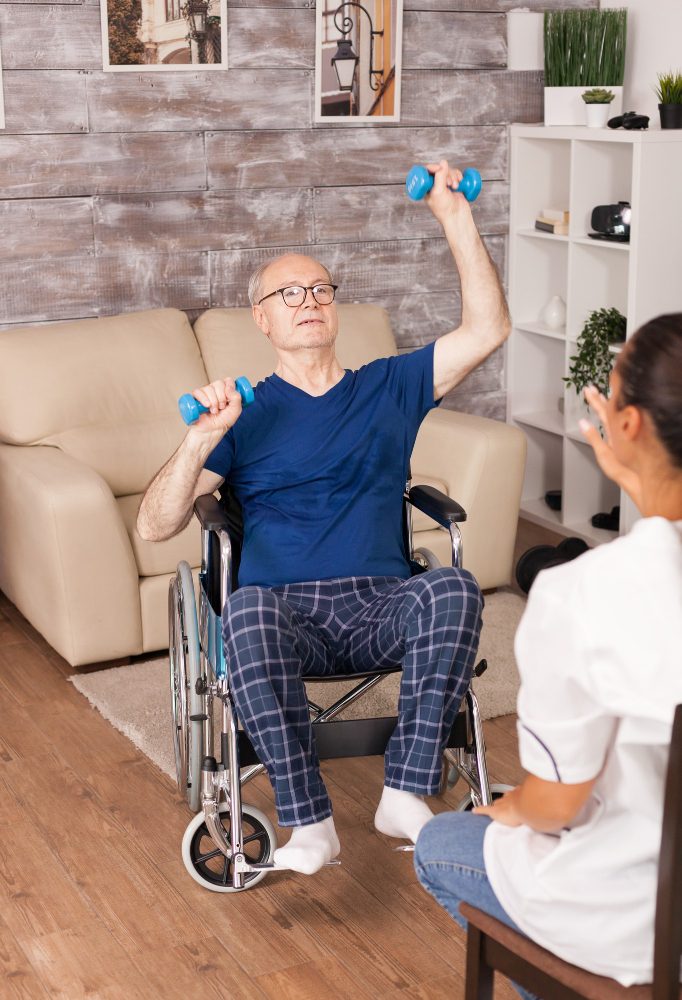
Occupational therapy for seniors brings its own specialized focus, supporting physical, emotional, psychological, and environmental needs all at once.
Positioning joints more comfortably so tasks stay manageable.
Memory- and attention-focused activities like reading and puzzles.
Addressing balance issues, double vision, and other vision changes without surgery.
Reducing stiffness and pain to make walking and lifting easier.
Coping strategies for retirement, loss, or relocation.
Pacing strategies, tension reduction, and better body mechanics.
A trusted, judgment-free person to talk through what they're going through.
It's easy to think of pediatric, adult, and geriatric occupational therapy as three separate services, but they're really the same underlying commitment applied at different points in life: helping someone do the things that matter to them, however their body or circumstances have changed. A child learning to tie their shoes, an adult relearning to manage a household after an injury, and a senior adjusting to a new stage of life are all working toward the same thing — independence and confidence in day-to-day activities — just with very different tools and goals along the way.
Every occupational therapy plan starts with getting to know the person in front of us — their goals, their environment, and the specific activities they want or need to get back to doing on their own. From there, sessions are built around practicing those real activities in the places they actually happen, whether that's a child's classroom routine, an adult's kitchen, or a senior's living room.
If daily activities have started to feel harder than they should — for a child, an adult, or a senior in your life — that's worth a conversation. Book a free consultation, and let's talk about what independence could look like going forward.
Not sure if your child needs support? Talk it through with our team, no pressure, no obligation.
Get StartedA licensed, credentialed team of speech, feeding, and occupational therapy providers — all here to support your family.

Book a free consultation and let's talk about your needs.