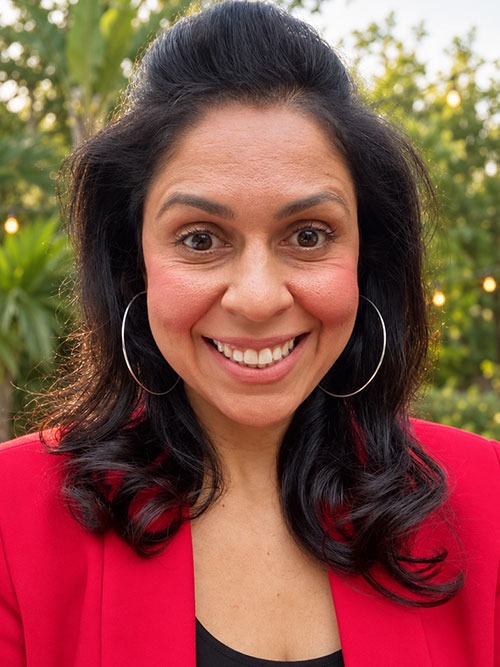
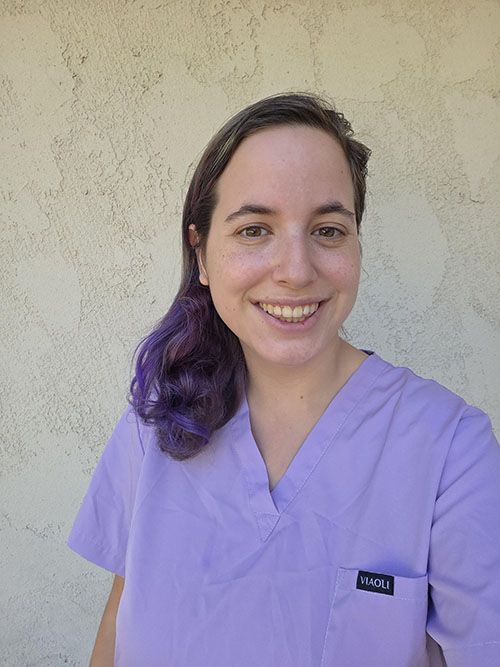
Your journey to regaining the skills you need to communicate starts here. Speech therapy is available across the South Bay, West LA, and Greater Los Angeles — we come to you, as your in-home speech therapist.
Adults can experience speech, language, voice, swallowing, and cognitive challenges for a wide range of reasons — and when safety and quality of life are on the line, using techniques that actually work matters. Every part of care here is grounded in evidence-based practice, using only approaches shown to produce real improvement.

Adults come to speech therapy for a wide range of reasons — these are some of the most common.
A stroke cuts off oxygen to the brain, which can reduce speech clarity, comprehension, and word-finding. Aphasia — a disorder affecting understanding or expression of language — comes in several types, each with its own treatment approach.
Traumatic brain injury, most often from car accidents, falls, or other trauma, can cause anything from temporary confusion to long-term cognitive challenges. Treatment includes cognitive-communication therapy and compensatory strategy training.
This progressive condition often brings a hoarse or quiet voice, slurred or irregular speech, and reduced facial expression. LSVT LOUD and myofascial release are two evidence-based treatments that help.
Symptoms range from patches on the tongue to throat lumps and voice changes. Targeted exercise-based training of the oral and throat muscles helps rebuild strength and movement.
Speech therapy is about far more than pronunciation. It addresses how clearly someone expresses and understands language, higher-level cognitive-communication skills, voice, fluency, oral motor function, and swallowing. Adults often need this kind of support after a stroke, an accident, or a diagnosis such as ALS, Parkinson's disease, dementia, or head and neck cancer.
Speech therapy isn't just for children — a significant share of the clients here are adults. Common reasons families and individuals reach out include:
Adults seek treatment for stroke, brain injury, neurological disease, voice problems, delayed language development, and cognitive disorders alike. SLPs frequently work as part of an interdisciplinary care team alongside audiologists, nurses, and physicians to get the full picture of a client's needs.
A large part of an SLP's work is helping clients eat and swallow safely again after illness, stroke, or head and neck cancer — assessing swallowing function and building a plan for improvement, with an ENT or GI referral when needed.
A full assessment of communication skills determines exactly what therapy is needed, with individualized treatment for the range of speech difficulties that can follow a stroke, brain injury, or other health event.
These involve how the brain processes information — memory loss, trouble concentrating, and related challenges that can persist well into brain injury recovery.
Communication is how we express our needs, build relationships, learn, and make decisions — so when a speech disorder gets in the way, the effects reach every part of life. Speech therapy for adults is built to empower people facing these challenges to communicate effectively again.
Stuttering involves repeating or interrupting words, syllables, and sounds, or prolonging them — even when the person knows exactly what they want to say. Research points to a familial link and higher prevalence among men.
These involve difficulty moving the muscles needed for speech, due to weakness or reduced coordination. A thorough assessment identifies exactly which sounds are affected so treatment can target clarity directly.

Aphasia is a person's reduced ability to understand or produce speech and language after injury to a specific part of the brain — from a stroke, tumor, head injury, or neurodegenerative disease. Mental capacity is often unaffected, but expression is limited, which can be frustrating for both clients and caregivers. There are several recognized types:
Speech flows easily but is often incorrect or hard to follow, without full awareness that listeners are confused.
Comprehension stays intact, but expressing thoughts is difficult — speech may be reduced to short phrases like "want water."
The most severe form, with significant difficulty forming words or sentences and limited speaking, writing, and comprehension.
A gradually worsening form tied to neurodegenerative disease, which can eventually extend into memory loss.
Slow, halting speech alongside reduced reading, listening comprehension, and writing ability.
Fluent but largely meaningless speech with impaired comprehension — one of the least common types.
Limited, halting speech output with frequent word-finding pauses, though the ability to repeat words is preserved.
A rare form in which sign-language ability degrades much the way spoken language does for hearing individuals with aphasia.
Dysarthria is a weakening of the muscles responsible for producing sound, which limits a person's ability to pronounce clearly. It can stem from brain trauma, stroke, Parkinson's disease, multiple sclerosis, muscular dystrophy, cerebral palsy, tumors, Huntington's disease, or a reaction to certain medications.
Apraxia is a neurological condition where specific movements become difficult even though the muscles themselves work normally — in this case, the movements needed for speech. It can follow a head injury, stroke, tumor, or other illness affecting the brain. Common signs include:
Every plan of care here is customized to an individual's specific strengths, built on a comprehensive evaluation. The focus stays on building real independence in communication, alongside family and caregiver education so new strategies carry over into everyday life.
Treatments like chemotherapy, surgery, or radiation can affect the mouth, throat, and other organs used for speech. Targeted muscle exercises help rehabilitate and restore speech and swallowing function.
As this progressive condition affects the nerves and muscles used for speech and swallowing, dysphagia can raise the risk of aspiration pneumonia and choking — therapy addresses both together.
A tracheostomy redirects air away from the vocal cords, which can affect voice, swallowing, and airway health over time. Therapy includes speaking-valve placement, respiratory support, and swallowing strengthening.
MS-related brain changes can cause slurred speech, unusual pauses between words, or dysarthria. Treatment focuses on strengthening and coordinating the throat and mouth muscles through oral exercises and voice training.
An expressive language disorder makes it difficult to express oneself through spoken or written language — organizing thoughts, choosing the right words, and building grammatically correct sentences. Key signs include:
Voice disorders can affect communication in both personal and professional settings, whatever the cause — hoarseness from prolonged talking, smoking, or muscle tension among them. A comprehensive voice therapy program works to reduce hoarseness, build vocal endurance, and expand pitch and loudness range, with evaluations that identify the underlying cause and coordination with an ENT specialist when needed. The goal throughout is giving clients back the clear, confident voice that quality of life depends on.
Speech therapy doesn't have to mean an in-person visit — teletherapy brings the same quality of care to you.
Teletherapy removes the travel barrier entirely — a real advantage in rural areas and in congested cities like Los Angeles alike.
Sessions happen from home, folding therapy goals naturally into everyday life instead of adding a commute to the day.
Teletherapy makes it easy for family and caregivers to participate directly, building a supportive environment and reinforcing strategies at home.
Speak Live Play offers care in whatever way works best for you: in-home visits across Los Angeles, teletherapy available in California and Florida, and an office location in West Los Angeles. Many clients start in person and transition to online sessions later on, whether by choice or due to mobility or transportation needs.
Not sure if your child needs support? Talk it through with our team, no pressure, no obligation.
Get StartedA licensed, credentialed team of speech, feeding, and occupational therapy providers — all here to support your family.

Let's talk through your needs and build a plan that fits your life — in person or through teletherapy.