Teletherapy delivers speech, feeding, and language therapy through secure, high-resolution video conferencing — the same qualified care as an in-person session, from wherever you are. Speak Live Play began offering it in response to COVID-19 and has kept it as a standing option ever since, for clients who prefer it or for whom it's simply a better fit.
Teletherapy is the online delivery of speech and language therapy through live, high-resolution video conferencing. It works like the video calls you already use, such as FaceTime or Zoom, except a licensed therapist is on the other end, using the same techniques and approach as an in-person session. The model itself isn't new — it's been used in the U.S. since the 1990s — and research consistently backs its effectiveness.

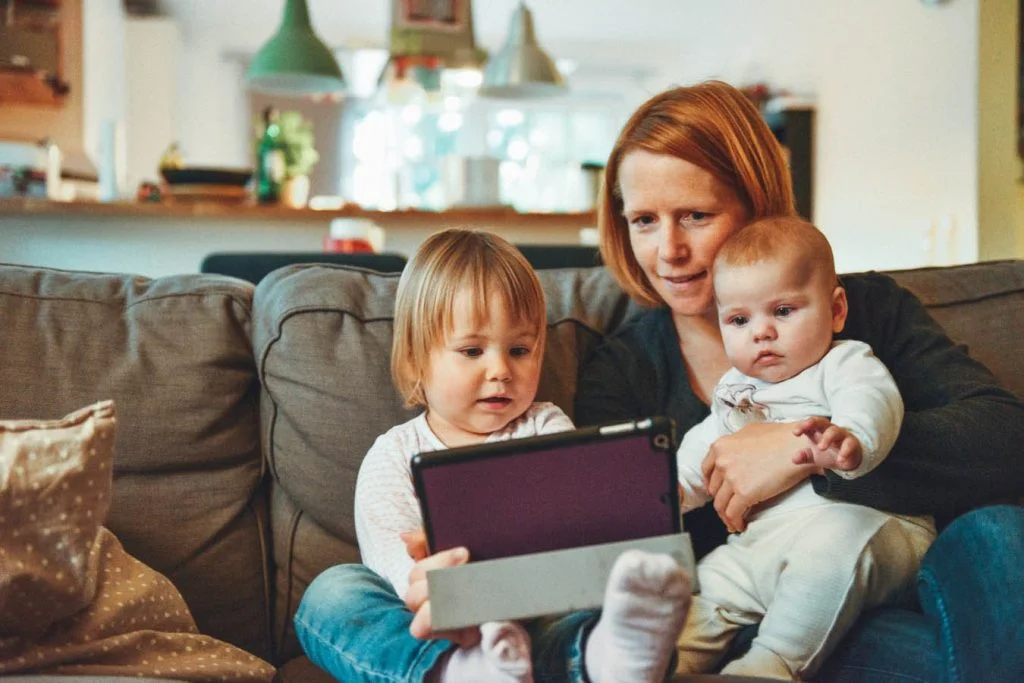
Teletherapy supports a wide range of speech, occupational, and communication needs — from one-on-one sessions to group formats. It won't be the right fit for every situation, which is why it's worth an open conversation with your therapist about whether it suits your specific circumstances before getting started.
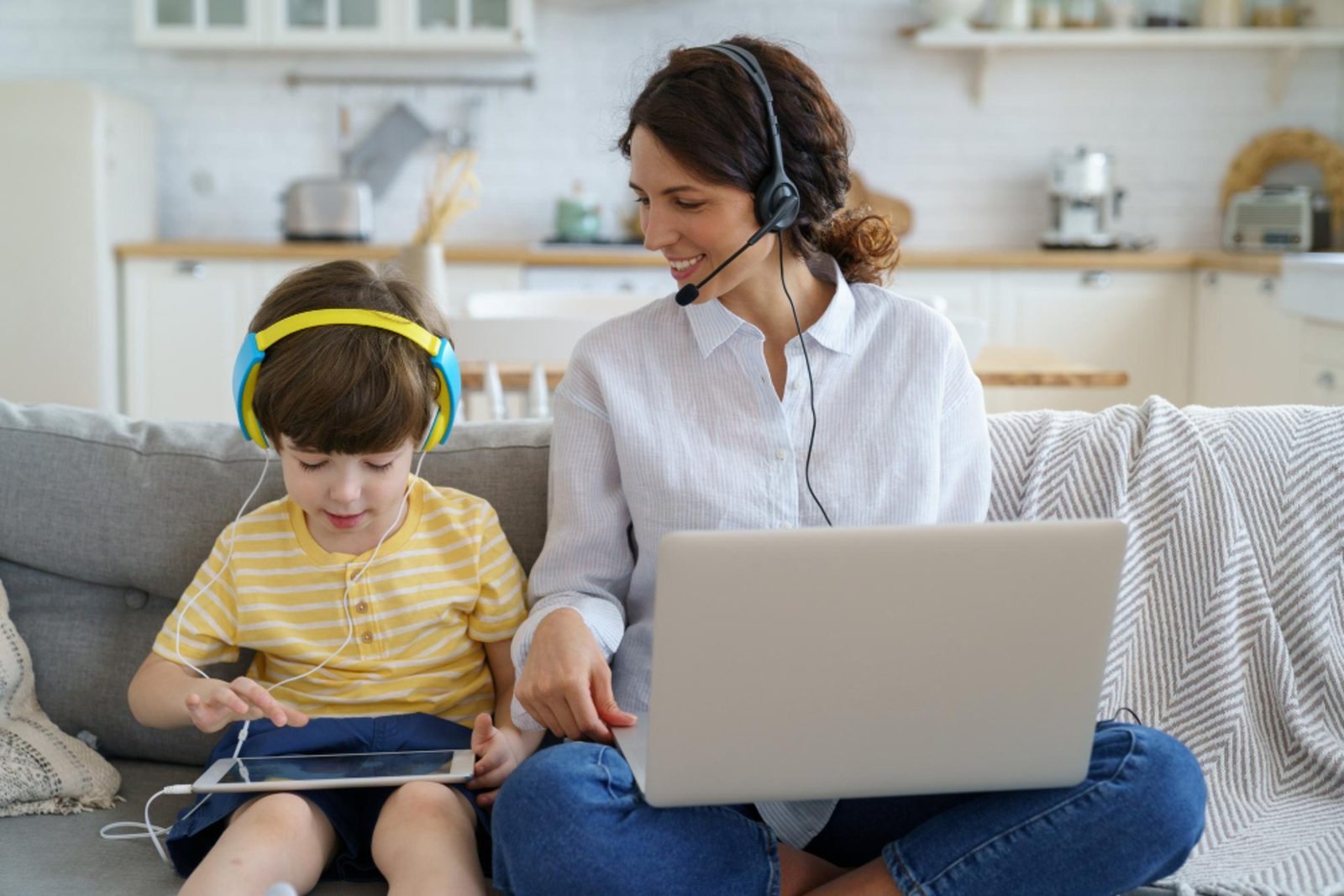
A teletherapy session runs just like an in-person one, aside from meeting remotely instead of in the same room. Sessions happen at a scheduled time over a secure video platform, with real-time interaction through webcam and headset, using the same techniques a therapist would use face to face. Whether you're looking for a single session or an ongoing plan of care, the format adapts to what you need.
The same legal and ethical privacy obligations apply whether a session happens in person or online. Therapists conduct every session from a private, secure space and never record or share a session without explicit consent from the client (or their guardian) — and it's worth making sure your own space is private on your end, too. In some ways, teletherapy offers more privacy than an in-person visit, since there's no waiting room or chance of running into another client.
Every session runs on fully encrypted, HIPAA-compliant video software built specifically for healthcare use — meeting the same security and privacy standards a client would expect from any in-person visit.

Effectiveness always depends on the person and what brought them to therapy, but controlled studies of speech therapy delivered by video have found results comparable to in-person sessions. A few examples:
School-age children (4 to 12) received speech therapy by video for four months and in person for four months, in random order. Their speech-sound progress was similar either way. Published in the Journal of Telemedicine and Telecare.
40 adults who stutter were randomly assigned to the Camperdown Program online or in person. Nine months later, stuttering levels were no different between the two groups, and the online group needed less clinician time.
Read the studyPeople with Parkinson's-related speech difficulty were randomly assigned to LSVT LOUD at home over video or in person. Speech and quality-of-life results online were as good as in person.
Read the studyRemoves real barriers — heavy traffic in cities like Los Angeles, distance in rural areas, mobility limitations, or simply feeling unsure about trying therapy for the first time.
Limited office hours keep a lot of people from ever starting. Sessions available at times that actually fit your schedule make follow-through far more realistic.
No commute, no waiting room — for anyone balancing a job and a calendar, cutting that friction can be the difference between starting and putting it off.
Starting therapy can bring its own anxiety. Being in a familiar space you control makes it easier to settle in before a session even begins.
Whether teletherapy is the right fit for a first session or you're looking to continue ongoing care remotely, we're happy to talk through what makes sense for your situation.
Not sure if your child needs support? Talk it through with our team, no pressure, no obligation.
Get StartedA licensed, credentialed team of speech, feeding, and occupational therapy providers — all here to support your family.

Reach out to talk through whether teletherapy is the right fit — call, text, or book online.