Eating may look simple, but it requires precise, coordinated muscle movement and timing. Our team brings clinical experience across NICU, PICU, preschool, and clinic settings to support both children with feeding difficulties and adults with swallowing disorders.

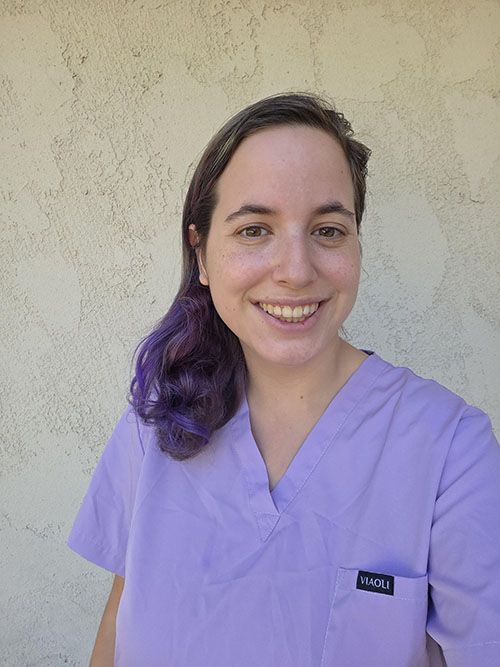
Melissa has clinical experience with dysphagia in NICU, PICU, preschool, and clinic settings, and her true passion is working with children who have feeding difficulties.
Learn More →
It may seem simple, but it involves accurate muscle coordination and timing — and when that coordination breaks down, it can lead to dysphagia.
Learn More →For infants and children, feeding difficulties can show up in a lot of different ways. Some children are picky eaters who limit themselves to a narrow list of foods, textures, or colors. Others struggle with something more physical — bottle refusal, trouble transitioning from purees to solids, or oral-motor and chewing difficulties that make certain foods hard to manage. Feeding therapy also supports children working through gastroesophageal reflux (GERD), tongue tie, cleft lip or palate, prematurity, torticollis, or vocal fold paralysis, as well as children moving from tube feeding toward eating by mouth.
What connects all of these is that feeding is never just about food — it's about coordination, sensory tolerance, trust, and routine. A child who gags at new textures or fights every meal isn't being difficult on purpose; something in that chain of skills needs support. Feeding therapy starts with a comprehensive evaluation to understand where the breakdown is happening, then builds a customized plan around behavioral strategies, sensory integration techniques, and playful, low-pressure engagement that helps a child feel safe trying something new.
Sensory-based feeding challenges deserve special mention, because they're often mistaken for stubbornness. A child who gags at mixed textures, refuses anything that touches other food on the plate, or melts down over an unfamiliar smell is responding to real sensory input, not being uncooperative. Feeding therapy addresses this by introducing new foods gradually and playfully — through touch, smell, and exploration long before a bite is ever expected — so that mealtimes stop feeling like a battle and start feeling like just another part of the day.
For adults, the concern is usually framed differently, but it comes from the same place: the muscles and timing required to move food and liquid safely from mouth to stomach. Swallowing happens in three stages — oral, pharyngeal, and esophageal. When coordination across those stages breaks down, the result is dysphagia, a swallowing disorder that can affect adults of any age but becomes more common later in life.
Dysphagia can be caused by a wide range of conditions: stroke, brain injury, Parkinson's disease, multiple sclerosis, ALS, cerebral palsy, Huntington's disease, muscular dystrophy, Friedreich's ataxia, and Alzheimer's disease, along with head and neck cancer, post-surgical changes, or even certain medications that cause dry mouth. Signs to watch for include excessive coughing during or after meals, a gurgling voice after eating or drinking, difficulty chewing, excess saliva or drooling, food or liquid spilling from the mouth, breathing difficulty around mealtimes, and unexplained weight loss.
Left untreated, swallowing problems can lead to malnutrition, dehydration, and aspiration pneumonia — a serious, potentially life-threatening complication. A typical evaluation reviews health history, cranial nerve function, and muscle capability, along with how a patient responds to different food textures, usually during a 45-minute in-home session. Treatment may include modifying food texture or liquid thickness, adjusting positioning, strengthening exercises, and compensatory swallowing techniques — with caregivers included every step of the way, and coordination with a physician, ENT, dietitian, or pharmacist whenever a case calls for it.
For many families, the hardest part isn't the exercises — it's the uncertainty. A loved one who suddenly needs thickened liquids or smaller bites can leave a caregiver unsure of what's safe and what isn't. Part of swallowing therapy is simply demystifying that: explaining what's happening physiologically, what to watch for, and how to make mealtimes feel less like a risk to manage and more like a normal part of the day again.
It's easy to think of pediatric feeding therapy and adult swallowing therapy as two unrelated services. In practice, they're two expressions of the same underlying challenge: the body's ability to coordinate breathing, chewing, and swallowing safely. A baby learning to move from bottle to solid foods and an adult relearning to swallow safely after a stroke are both rebuilding that same coordination, just at opposite ends of life.
That overlap is exactly why an integrated approach works so well. It means evaluations that look at the whole picture instead of treating symptoms in isolation, treatment plans that adapt as a person's needs change, and a therapist who can recognize when a feeding or swallowing issue points to something that needs a broader medical evaluation. It also means one consistent philosophy of care, no matter who's sitting at the table: start with where the person is right now, build trust before pushing progress, and measure success in small, sustainable steps rather than a finish line.
Whether the person in front of us is six months old or seventy-five years old, the process starts the same way: a thoughtful evaluation, an honest conversation about what's happening and why, and a plan built around that individual's needs, environment, and support system. Sessions happen in the comfort of home, which makes it easier to work with the foods, routines, and caregivers that are actually part of daily life — not a clinical simulation of it.
Feeding and swallowing difficulties can feel isolating, whether you're a parent watching your child struggle through every meal or an adult caregiver navigating a loved one's changing needs after an illness or injury. Neither situation is something to manage alone. If mealtimes have become a source of stress in your home, a conversation with a feeding and swallowing therapist is a good place to start.
A child-directed approach to feeding therapy is one of the most recommended techniques for children. It's a modern technique, with active participation from parents and caretakers.
A behavioral pattern approach is a more traditional approach to feeding therapy. It's one that's familiar to most occupational therapists, though child-led techniques such as play- and craft-based approaches are more common these days.
Your child has to want to listen to you before you can be in a position to help them — that requires trust. If your child is hesitant about eating and not at ease when you introduce a new food, try to connect with them first, talk with them, and play some games to put them at ease.
If you're trying to improve a child's feeding habits, it's essential to create a routine. This serves as the guardrails of your child's daily activities — for example, a ritual where they wash their hands before touching food.
Kids live rich, complex inner lives in emotional worlds that become largely closed to us when we're adults. When you respect their imagination and play into it, you both can develop a deeper comfort level around food.
Overhauling food presentation is one of the most effective pediatric feeding strategies. Letting your child help prepare and serve their food can help them develop a healthier relationship with what they eat.
Not sure if your child needs support? Talk it through with our team, no pressure, no obligation.
Get StartedA licensed, credentialed team of speech, feeding, and occupational therapy providers — all here to support your family.

Book a free consultation and let's talk about your needs.