
Speech Play
Turn sounds into games!
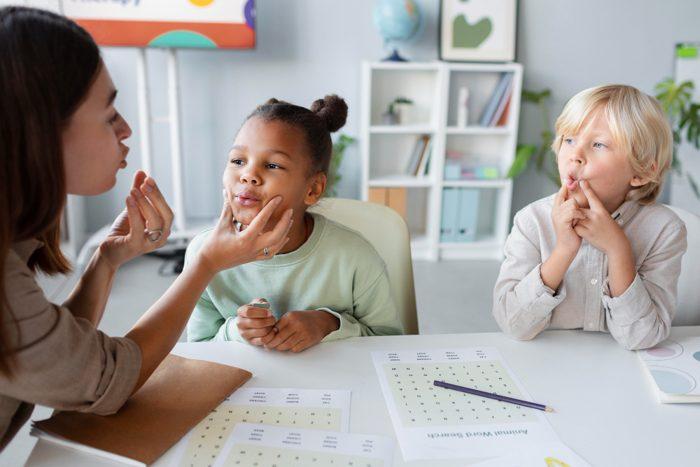
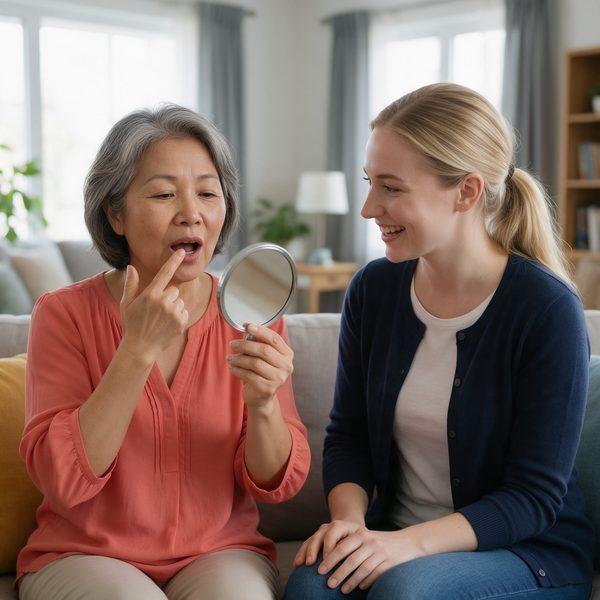
People learn best when they are engaged, so that is where we begin. In Speech Play, every sound, word and sentence becomes part of an activity you or your child wants to keep doing: games and stories for children, relaxed and personal practice for adults. Practice feels like fun instead of work.
How we use play in every session
Your therapist builds each session around what you or your child enjoys, turning articulation and language goals into games and activities. For children that means play. For adults it means practice built from your own interests, conversations and routines. The aim is real, lasting communication skills, built while you are having a good time.
Sound, word and sentence goals are practiced inside activities that feel worth repeating.
Children get games, stories and toys. Adults get practice built around their own topics, conversations and daily routines.
Family and caregivers are invited to join in, so you can see what works and take the ideas into everyday life.
Play supports the thinking, social and emotional skills children need to learn.
In this clinical report, the American Academy of Pediatrics explains why play is essential to children's development and to strong parent-child relationships, and why time for free play has been shrinking.
What the report says
- Play contributes to children's thinking, physical, social and emotional well-being.
- Through play, children practice sharing, negotiating, solving problems and handling their feelings, and they build confidence as they master new challenges.
- Active play supports physical health.
- When parents join in child-led play, they see the world through their child's eyes and build a closer relationship.
- Simple toys and unstructured time are valuable; children do not need expensive products to learn through play.
Who was studied: This report looked at play in children's development. We use the same idea with adults (practice sticks when it is engaging and meaningful to the person doing it), but the study itself was about children.
Good to know: This is a clinical report, which summarizes expert guidance and existing research. It is not a single experiment, so it does not report new measurements of its own.
The study behind it
Ginsburg KR; American Academy of Pediatrics Committee on Communications; Committee on Psychosocial Aspects of Child and Family Health. The importance of play in promoting healthy child development and maintaining strong parent-child bonds. Pediatrics. 2007.
Want the detail? Read our plain-language summary of this study. The summary and this page are general information written from the study’s published abstract, not medical advice. The full article belongs to its publisher, and the institution named on the summary does not endorse Speak Live Play. Talk with a licensed clinician about your own care or your child’s.