Have you ever noticed if any kid you know fits this description? Kids often have a good vocabulary, recognizing words like "ball" while playing soccer or "doggy" when their Goldendoodle comes around. But sometimes parents worry when their child doesn't actually use these words or put them together to make phrases for different purposes, like making requests ("I want the ball!"), commenting ("Nice doggy!"), or protesting ("No bedtime!").
So, how do we get kids to use the words they know to express what they want and think? And how can we help them combine those words to make longer phrases and sentences? Well, as grown-ups, we can use some cool language tricks when we talk to our little ones. Don't worry. It's not boring stuff from a textbook! Let me tell you, these tricks are super fun and will make your talks with your child even better. Trust me, they'll learn a ton!
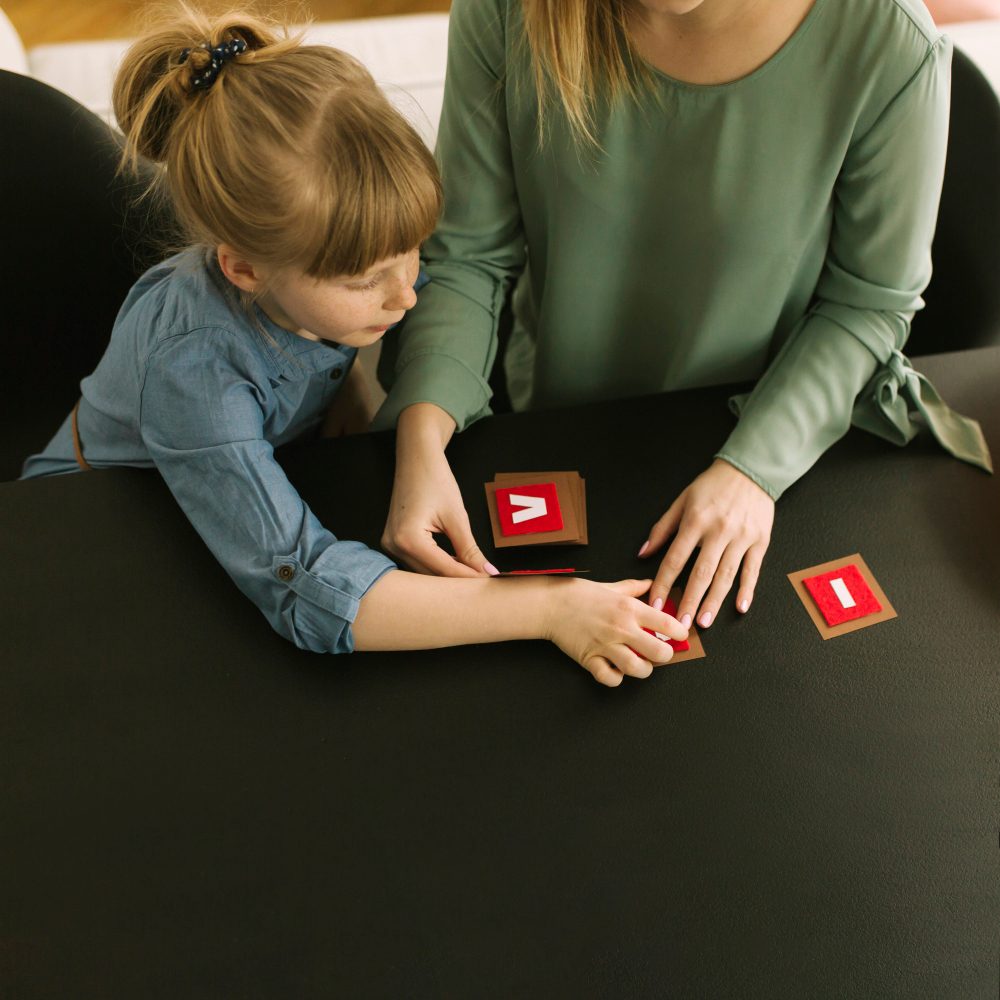
Language stimulation strategies include techniques that boost children's language understanding and expression. These strategies involve changing the environment to create more language-rich opportunities and adjusting how we talk to the child. The cool part is that we can easily incorporate these strategies into playtime and daily routines like bath time, mealtime, bedtime, and even during the drive to daycare. These routines provide many chances for language learning that can truly make a difference.
Let me share three language stimulation strategies to help your child express themselves verbally. Plus, I'll give you a few examples of how to put these strategies into action effectively.
Even if you know exactly what your child wants, offer them choices so they can practice making requests and using their vocabulary. For example, even if you know your child always wants Goldfish crackers for snack time, offer them a choice between two food items and show them each item as you ask (i.e., "Do you want crackers or carrots?"). Similarly, if they always like to read their favorite book, "Brown Bear Brown Bear What Do You See" every night before bedtime, and they only read "If You Give a Pig a Pancake" in the morning, still offer them a choice between both books (i.e., "Do you want the bear book or the pig book?").
This strategy not only gives your child a chance to hear models of different word labels but also gives them a chance to use those words immediately to request something they want. It also allows them to use essential gestures, like pointing at their choice!
Tip: Accept any form of choosing when introducing this strategy (i.e., gazing, pointing, or reaching for the choice). Model the word to help your child learn it, and with consistency, you'll find your child using those words, too!
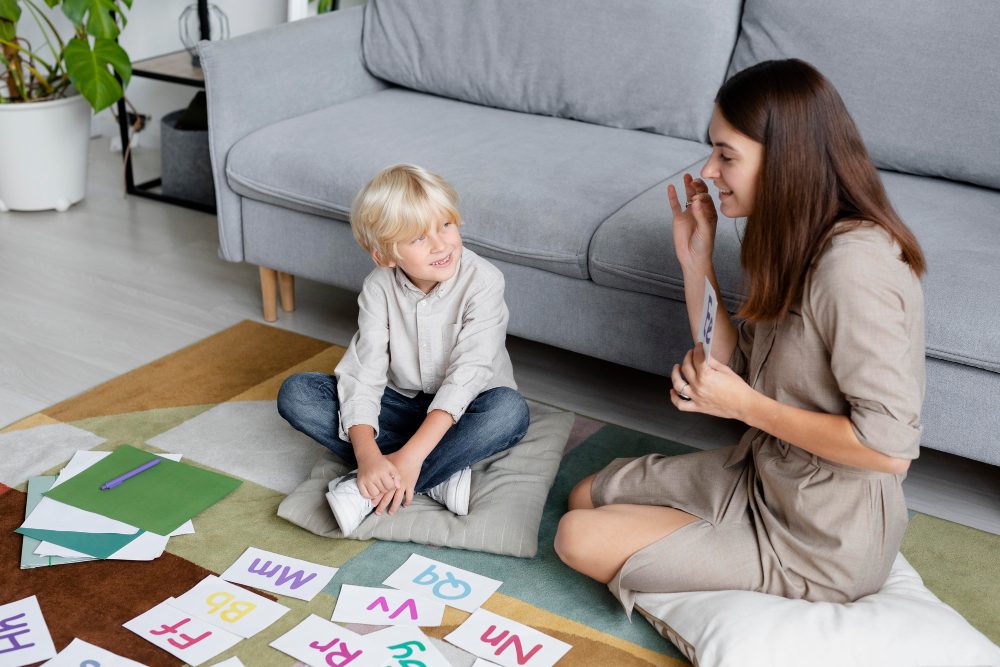
Picture this: You're out to dinner at a restaurant, and you just ordered the most delicious-looking piece of chocolate cake you've ever seen. The dessert arrives, and you are ready to take a considerable bite when, oh no! You realize you have yet to be given any silverware. What are you likely to do next? Your next move is to ask the waiter if they can bring you a fork. You were not given precisely what you were expecting, and you were allowed to communicate what you needed. We can use this same strategy on purpose (i.e., intentionally "messing up" or making things more complicated, AKA sabotaging!) to help our little ones begin to talk.
Tip: At times, parents can be so good at anticipating their child's needs that they never need to ask for anything at all! Help them use their communication skills by purposefully creating these "sabotage" scenarios in which they can communicate their wants and needs. Remember that your child may not use the words themselves the first, second, or third time you do this. Still, when consistently hearing these models, they will eventually begin to use the words themselves.

"Row row row your…" What comes next? Without hesitation, you know that "boat" is the next word to complete that phrase. We can use verbal phrases such as this one to help kids learn language by making language predictable and part of the fun, familiar routines. When we pause before saying the last word in the phrase, we give our children a chance to "fill in the blank" and take the lead in continuing the routine. They learn that by using their words, the fun continues!
Tip: Get creative! Anything can be a verbal routine if you use the exact words repetitively in the same situations. That's why this strategy is so great to teach many words!
When boosting kids' language skills, it's essential to create an environment that encourages effective communication. These language stimulation strategies can make a big difference in your child's vocabulary development. By remembering them, you'll see your child confidently using more words each week! If you need more guidance or creative ideas to implement these strategies, feel free to contact our team of experienced speech-language pathologists at Speak Live Play. We're here to support your child's language journey and help them thrive in communication.
Book a free consultation and let's talk about what you're seeing at home.