
Quick Answer
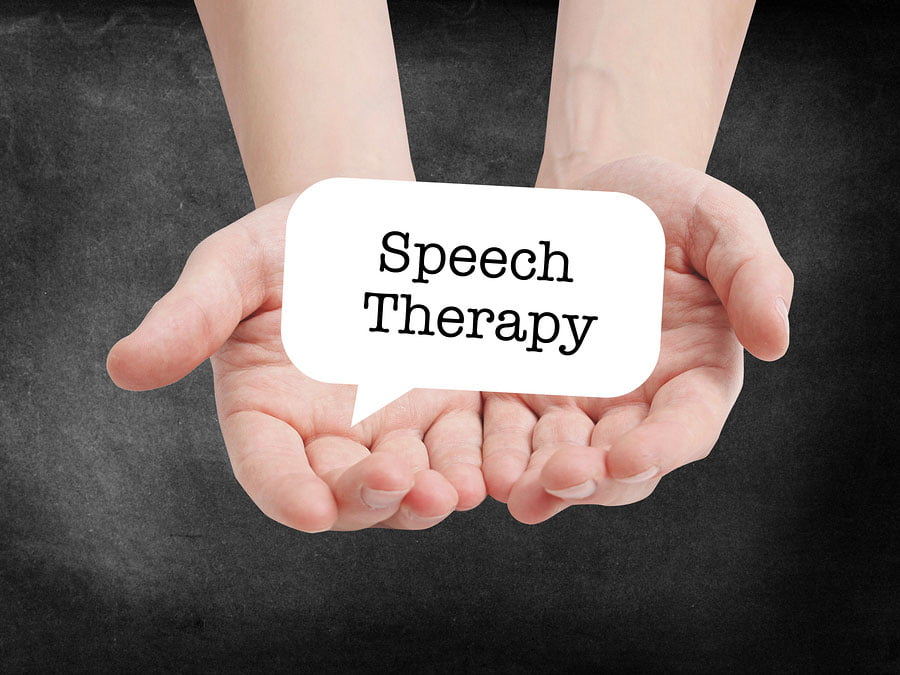
Speech therapy is the evaluation and treatment of difficulties involving speech, language, voice, fluency, cognitive communication, feeding, and swallowing. It is provided by qualified speech-language pathologists, commonly called speech therapists or SLPs. Speech therapy can support people at every stage of life—from infants developing feeding skills and children learning to communicate to adults recovering from a stroke or managing a neurological condition.
At Speak Live Play, therapy is individualized around each person’s abilities, needs, environment, and functional goals. Services are available for children and adults through in-office, in-home, and virtual options, depending on the individual and the type of care required.
Speech Therapy Is About More Than Pronunciation
Many people associate speech therapy with helping a child pronounce a difficult sound. Articulation is an important part of the field, but speech-language pathology addresses a much broader range of communication and swallowing needs.
Speech therapy may help a person improve how clearly they speak, understand language, express thoughts, use their voice, participate in conversations, organize information, or communicate using an augmentative and alternative communication system. Speech-language pathologists may also evaluate and treat feeding and swallowing difficulties.
The National Institute on Deafness and Other Communication Disorders distinguishes voice, speech, and language as related but different areas of communication. Conditions within these areas can affect children and adults and may require different evaluation and treatment approaches. The American Speech-Language-Hearing Association also identifies speech, language, and swallowing as central areas supported by speech-language pathologists.
What Is a Speech-Language Pathologist?
A speech-language pathologist is a trained professional who evaluates and treats communication, cognitive-communication, feeding, and swallowing concerns. The terms “speech-language pathologist,” “speech pathologist,” “SLP,” and “speech therapist” are commonly used to describe the same profession.
An SLP does not use one standard exercise for every patient. The clinician first gathers information about the person’s medical or developmental history, current abilities, concerns, routines, and goals. Formal or informal assessments may then be used to identify strengths and areas that may benefit from treatment.
If therapy is recommended, the SLP develops individualized goals. For one child, a goal may involve using more words to request preferred items. Another child may work on producing particular speech sounds more clearly. An adult recovering from a stroke may focus on finding words, understanding conversation, reading, writing, or communicating essential needs. Someone with dysphagia may work on strategies intended to support safer eating and drinking under appropriate clinical guidance.
What Areas Can Speech Therapy Address?
Speech sounds and articulation
Speech sound therapy addresses how sounds are produced and organized in words. A person may omit, substitute, add, or distort sounds, making speech difficult for others to understand. Treatment is selected according to the type of speech sound difficulty, the individual’s age, and the effect on everyday communication.
Receptive and expressive language
Receptive language is the ability to understand spoken or written information. Expressive language is the ability to communicate thoughts, needs, and ideas through words, sentences, writing, gestures, or another communication system.
A child with a language delay may have difficulty following directions, learning new words, answering questions, or combining words into sentences. An adult may experience language changes after a stroke, brain injury, or neurological condition.
Fluency
Fluency refers to the flow, rhythm, and timing of speech. Stuttering can include repetitions, prolongations, or blocks. Speech therapy may address communication confidence, tension, participation, and individualized fluency strategies rather than focusing only on eliminating disfluency.
Voice and resonance
Voice therapy may address vocal quality, pitch, loudness, endurance, or the way sound resonates. Because voice changes can have medical causes, an evaluation by an appropriate medical provider may be recommended before or alongside therapy.
Social communication
Social communication includes starting and maintaining conversations, taking turns, understanding nonliteral language, reading social cues, adjusting communication for different people or settings, and repairing misunderstandings. Therapy should be individualized and respectful of neurodiversity while supporting meaningful participation and self-advocacy.
Cognitive communication
Cognitive-communication skills connect thinking and communication. They include attention, memory, organization, reasoning, problem-solving, and executive functioning. These abilities may change after a stroke, traumatic brain injury, illness, or progressive neurological condition.
Augmentative and alternative communication
Augmentative and alternative communication, or AAC, includes tools and strategies that supplement or replace spoken communication. AAC may include gestures, picture boards, written choices, communication books, or speech-generating devices. AAC can support communication without preventing a person from continuing to use or develop natural speech.
Feeding and swallowing
Speech-language pathologists may also work with infants, children, and adults who have difficulty sucking, chewing, moving food or liquid through the mouth, or swallowing safely and efficiently. Concerns may include bottle refusal, coughing during meals, difficulty transitioning to solids, limited food acceptance, or changes following a medical or neurological condition.
Feeding and swallowing concerns require individualized assessment. Choking, breathing difficulty, or sudden swallowing changes may require urgent medical attention rather than a routine therapy appointment.
Who Can Benefit from Speech Therapy?
Speech therapy can serve people across the lifespan.
Infants and young children
An infant or young child may be referred for feeding difficulty, delayed communication, limited understanding of language, difficulty producing sounds, or another developmental or medical concern. Early evaluation can help families understand a child’s current skills and identify useful next steps.
School-age children and adolescents
Older children may need help with articulation, language, fluency, voice, social communication, literacy-related language skills, AAC, or communication demands at school and in the community.
Adults
Adults may seek speech therapy for long-standing communication concerns, professional communication goals, voice difficulties, or changes related to stroke, traumatic brain injury, head and neck cancer, Parkinson’s disease, ALS, dementia, or another condition.
Families and caregivers
Speech therapy often includes education and coaching for parents, family members, and caregivers. The goal is not to turn relatives into therapists. It is to help them understand useful strategies that can be incorporated into ordinary conversations, play, meals, and daily routines.
What Happens During a Speech Therapy Evaluation?
An evaluation helps determine what a person does well, what challenges are present, how those challenges affect everyday life, and whether skilled therapy is appropriate.
Depending on the reason for referral, an evaluation may include:
A discussion of developmental, educational, or medical history
An interview about current concerns and priorities
Observation during conversation, play, or functional activities
Standardized or criterion-referenced assessments
Speech sound, voice, fluency, or language tasks
Cognitive-communication activities
An oral-motor or feeding assessment when appropriate
Review of records from physicians, schools, hospitals, or other providers
The evaluation should lead to clear recommendations. These may include therapy, home strategies, monitoring, collaboration with another professional, or referral for additional medical testing.
What Happens During Treatment?
Treatment varies by age, diagnosis, setting, and goal. Pediatric sessions may use play, books, movement, games, and family routines to encourage meaningful communication. Adult sessions may use conversations, reading, writing, memory tasks, workplace activities, or situations drawn from daily life.
Good therapy is functional. Repeating a skill during a session is useful, but the larger goal is for that skill to help the person communicate or participate outside the session.
Progress is not identical for everyone. It can be influenced by the type and severity of the concern, underlying medical conditions, age, attendance, opportunities to practice, family support, and how well treatment fits the individual. A therapist should monitor progress and adjust the plan when needed without promising a specific outcome or timeline.
In-Office, In-Home, or Virtual Speech Therapy
Speech therapy can be provided in different settings.
In-office therapy offers a dedicated clinical environment and access to therapy materials. Speak Live Play provides sessions in its West Los Angeles office.
In-home speech therapy allows the clinician to work within the person’s natural environment. Everyday materials and routines can become part of treatment, while families avoid additional Los Angeles travel. Speak Live Play offers in-home speech, feeding, and occupational therapy across its Greater Los Angeles service area.
Speech teletherapy provides services through a secure video platform when virtual care is clinically appropriate. Teletherapy can offer flexibility and continuity, although it may not be suitable for every assessment or treatment need.
The right setting depends on the person’s goals, clinical needs, location, scheduling needs, and ability to participate.
When Should You Consider an Evaluation?
Consider discussing an evaluation when communication, feeding, or swallowing concerns interfere with daily life, learning, relationships, independence, health, or safety. Examples include:
A child is not meeting expected communication milestones
Speech is frequently difficult to understand
The person struggles to understand or express language
Stuttering or voice concerns affect participation
Communication changes after a stroke, injury, or illness
Memory or organization problems interfere with communication
Eating or drinking involves coughing, choking, pain, or significant difficulty
A child has persistent trouble with bottles, textures, chewing, or food acceptance
An evaluation does not automatically mean long-term therapy will be recommended. It provides information that can help families and adults make informed decisions.
Speech Therapy in Los Angeles with Speak Live Play
Speak Live Play provides individualized speech and language services for children and adults in Greater Los Angeles. The practice also provides feeding and swallowing therapy, occupational therapy, in-home services, and teletherapy. Its service area includes communities such as Santa Monica, Culver City, Beverly Hills, Burbank, Glendale, Pasadena, Long Beach, Torrance, Redondo Beach, and other Greater Los Angeles locations.
If you have concerns about your child’s communication or feeding development—or an adult loved one has experienced a change in speech, language, cognition, or swallowing—the next step is to request an evaluation. A qualified therapist can help identify present abilities, understand the concern, and recommend an individualized plan.
Call Speak Live Play at (310) 876-2550 or schedule an appointment online to discuss the most appropriate service and setting.
This article provides general educational information and does not replace individualized medical advice, diagnosis, or emergency care.
Website FAQs
Is speech therapy only for children?
No. Speech therapy can help people of all ages. Children may receive therapy for developmental language, speech sounds, fluency, social communication, feeding, or AAC. Adults may receive therapy following a stroke, brain injury, neurological condition, head and neck cancer, or for other communication, cognitive, voice, and swallowing needs.
What is the difference between a speech therapist and a speech-language pathologist?
The terms are commonly used interchangeably. “Speech-language pathologist” is the professional title, while “speech therapist” is a familiar term used by patients and families. SLPs evaluate and treat more than speech sounds; they may also address language, voice, fluency, cognitive communication, feeding, and swallowing.
Do I need a diagnosis before scheduling a speech evaluation?
Not always. Many parents and adults begin with a concern rather than an established diagnosis. The intake team can explain what information is needed and whether a speech-language evaluation or another professional assessment is the appropriate next step.
How long does speech therapy take?
There is no single timeline. Therapy duration depends on the type and severity of the concern, underlying conditions, individual goals, attendance, practice opportunities, and response to treatment. Recommendations should be based on an evaluation and reviewed as progress is measured.
Does Speak Live Play provide in-home speech therapy in Los Angeles?
Yes. Speak Live Play provides in-home therapy across its Greater Los Angeles service area, along with in-office services in West Los Angeles and virtual options when appropriate. Availability may depend on the requested service, location, clinical needs, and scheduling.